



When LPG Shortage Hits Restaurant Menus: Krishni’s Story
Executive Summary; Krishni’s Restaurant Dilemma; Why These Dishes Use More Gas; Menu Availability Table; Government & Industry Actions; Practical Tips & Advice; Disclaimer; Conclusion & Checklist.
Krishni (21) loves eating out, She walks into a favourite South Indian hotel (dhabha) for breakfast, expecting dosa and uttapam. She sees are small paper menu inside of regular one. Feeling confused and curious look into it . Blinking her eyes she sees the menu: idli, vada only. She was crave-broken that no crispy dosa or fried rice varieties and she walks out. Over lunch time with friends in a Punjabi dhaba, the butter chicken and dal makhani I ordered are gone in the menu; only faster one-pot dishes or tandoori rotis are available. Even my beloved biryani is trimmed down to chicken biryani only, not the rich mutton version. She felt irritated and calls the waiter. The waiter apologizes saying: “Out of gas mam!. LPG Shortage Hits Restaurant Menus.” she is like WT*?
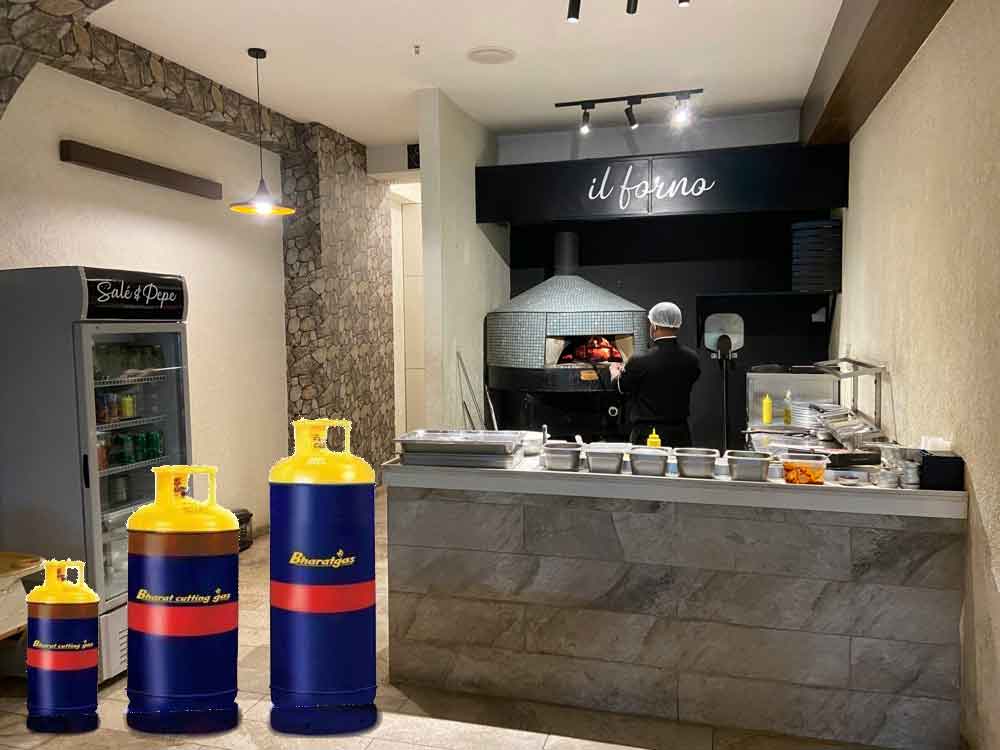
*Figure: A small restaurant kitchen in India. Gas-intensive items like *dosa* or biryani may vanish from the menu as restaurateurs cope with LPG shortages.*
Krishni’s Restaurant Dilemma
Krishni opens her youtube sees latest news that is popping up with headlines about US-Iran war and gas shortage. Headlines : This shortage isn’t local – it’s pan-India. Across cities, restaurants report that dishes needing continuous stoves or deep fryers have been cut, while simpler items (steam-cooked, one-pot or quick-grill) remain. For Krishni and millions of young diners, the menu is suddenly much smaller.
She looks at waiter and says pls bhayya! 🙁 I cant get my favorite dish? “Then waiter smiles starts explaining!”
Mam! recent commercial LPG (cooking gas) shortage has hit Indian restaurants. Many gas-intensive dishes – thin dosas, fried pooris, rich biryanis, slow-cooked curries like dal makhani or butter chicken – are disappearing from menus. The government has invoked emergency powers (e.g. Essential Commodities Act) and industry bodies (NRAI) have urged menu cuts to prioritize household LPG use. He also started explaining why certain dishes need more gas (continuous flame, deep frying, long simmering or tandoor heat) and what that means for diners and restaurants. A table maps ~20 common items to Likely Available / Conditional / Likely Not Available under gas constraints. We conclude with practical tips for consumers and eateries, along with a checklist to weather the crisis.
Why These Dishes Use More Gas
The missing dishes on Krishni’s list all share one thing: high gas consumption. News reports confirm that continuous flames, deep frying and long slow cooking are exact gas-guzzling culprits:
- Continuous flame / High flame dishes (e.g. dosa, uttapam, fried rice, stir-fried noodles): These need a large hot griddle or wok running non-stop. For example, a dosa tawa has to stay blazing for hours of peak breakfast service. Chinese wok dishes need the highest-BTU burners to toss ingredients at searing heat. The moment LPG runs low, chefs cut out dosas and fried rice first because they burn through gas fast.
- Deep-fried items (e.g. pooris, medu vadas, pakoras, samosas): Keeping oil at frying temperature consumes a lot of energy. Restaurants now limit deep-fried starters or breads (like restrict pooris) when gas is scarce.
- Long-simmer or multi-step dishes (e.g. biryani, dal makhani, butter chicken): These build flavor over slow, hours-long cooking. Biryani involves multiple burners (rice, curry, dum stage); dal makhani classically simmers 6–8 hours. Butter chicken might use a tandoor and then a simmering gravy. During LPG crunch, chains and dhabas report trimming such items or shortening cook time.
- Tandoor/Grill items (e.g. tandoori roti, chicken tikka): Traditional tandoors use charcoal, but many smaller restaurants use LPG-fired tandoors or ovens. These require continuous high heat. Some restaurants have relied on wood/coal ovens instead, but not all have that option at hand.
In short, any dish needing long gas-on time or very high BTU burners is at risk. Industry advisories confirm this: the National Restaurant Association of India urged eateries to “suspend or reduce items that require long simmering, deep frying, slow cooking, or multiple burners”. Simply put, if a dish is laborious or heavy on flame, it’s likelier to vanish from menus until supply stabilizes.
Menu Availability Table
Based on cooking requirements and reports from cities like Chennai, Pune, Mumbai ,Hyderabad, Vizag and Delhi, here’s a rough guide to ~20 common menu items that LPG Shortage Hits Restaurant Menus:
| Dish / Item | Likely Availability | Notes (why) |
|---|---|---|
| Dosa / Uttapam | May Not Available | Continuous griddle flame needed |
| Poori | May Not Available | Oil deep-fry (takes a lot of gas) |
| Medu Vada / Bhaji | May Not Available | Deep-fried, uses much LPG |
| Chinese Fried Rice / Noodles | May Not Available | High-BTU wok flame required |
| Mutton/Chicken Biryani | May Not Available | Multi-stage cooking, long “dum” simmer |
| Dal Makhani | May Not Available | Slow-simmered hours for flavor |
| Butter Chicken / Korma | May Not Available | Grill + simmer; multi-step and creamy gravy |
| Pakoras / Samosa | May Not Available | Deep frying (oil heating) |
| Tandoori Naan / Roti | May be Conditional | If charcoal/wood tandoor exists, OK; otherwise LPG grill heavy |
| Tandoori Chicken / Kebabs | May be Conditional | Same as naan; gas tandoor eats LPG |
| Paneer Butter Masala / Kadai Paneer | May be Conditional | Simmered, but might be cut or offered as thinner gravy |
| Rice Pulao / Khichdi | Available | One-pot cooking, quicker than biryani |
| Idli / Steamed Veggies | Available | Steamed (batch cooking) uses less gas per serving |
| Paratha / Chapati | Available | Quick griddle cook, relatively low gas |
| Upma / Poha | Available | Fast-cook one-pot breakfast |
| Kadhi | Available | Simple gravy boiled quickly |
| Egg Omelette / Bhurji | Available | Quick frying, not much gas |
| Chole (Chickpea Curry) | Conditional | Often pressure-cooked (saves LPG) |
| Rajma (Kidney Beans) | Conditional | Pressure cooker shortens long boil |
| Curd Rice / Dahi-Based | Available | No cooking on flame (except rice prep) |
Sources: Menu changes are already reported city-wide are tentative and may not be compulsorily effect your needs. Prepare yourself and food craving before you visit a restaurant.
Government and Industry Actions
Amid these menu cuts, the government has stepped in to balance supplies. In early March 2026, India invoked special powers under the Essential Commodities Act to increase domestic LPG output (diverting propane-butane to cooking gas) and to stabilize supply. For instance, refineries were ordered to redirect fuel streams into LPG for public-sector LPG companies. This is aimed at protecting home cooking fuel, but it caused some confusion: an official clarification later stressed there was no outright ban on restaurants buying commercial cylinders. (Distributors had misinterpreted an order about “domestic LPG only” to mean no gas for hotels; the Petroleum Ministry corrected this after industry protests.)
Industry bodies have also acted. The NRAI and FHRAI (major restaurant groups) wrote to ministers warning of “catastrophic closures” if commercial LPG halts. In response, a high-level committee (India Oil, HPCL, BPCL directors) was formed to review LPG supplies to hospitality sectors. State governments wrote to the Centre for special allocation, and some urban governments even considered price caps on meals or service charges under consumer law (note: recent rules also ban forced service charges under the Consumer Protection Act).
Important: The situation is dynamic. Government and media emphasize that households are first priority, and commercial supplies depend on overall availability. Reports suggest LPG production is rising (MOIL minister claims a ~10% increase). Still, as of this writing, many restaurants expect only a few days’ extra supply.
Disclaimer
This blog outlines a general India-wide scenario in March 2026. LPG availability and government actions may vary by state and city; some areas with piped natural gas (PNG) or alternate fuels (kerosene or biogas) face less severe menu cuts. Also, news reports are evolving day-by-day. Thus, dish availability is not uniform: some restaurants might still serve certain items based on stock or equipment (e.g. wood tandoor). The crisis context means menus change frequently, so treat the above as illustrative, not guaranteed for every eatery.
Practical Tips & Advice
With uncertainty in the air (and kitchens), here are actionable steps:
- For Consumers:
- Ask about menus in advance: Check restaurant social media or call to see what’s available.
- Opt for quick-cook items: Choose steamed or grill dishes (idli, dosa, tandoori) which are more likely to be offered.
- Be flexible on cuisine: Don’t be surprised if a Chinese or kebab joint has fewer options.
- Stock at home: Consider cooking easy one-pot or pressure-cooker meals yourself.
- Stay informed: Look for updates from local authorities about LPG supply (some state governments publish bulletins).
- Support priced transparent dining: If prices rise, ask restaurants if fuel costs factored in. Tip politely for informed staff.
- For Restaurants/Small Eateries:
- Redesign menus: Prioritize low-gas dishes (steamed, salads, quick curries). Post signs/disclaimers so customers understand temporary menu changes.
- Cook in bulk/batches: For remaining items, cook in larger batches or use pressure cookers for beans and dals to save gas.
- Switch fuels: Where possible, employ electric induction cookers, microwaves or solar stoves (though this may be limited). Even partial shifts (e.g. induction for rice, gas for charring) can help.
- Optimize operations: Turn off pilot flames, consolidate cooking schedules, and pause non-essential gas usage (like heating water).
- Transparent pricing: If costs rise, update your menu prices and communicate clearly (e.g. a notice about why some items are off). This builds trust and follows consumer rights norms.
- Engage with authorities: Inform local LPG distributors of your needs; join restaurant associations pushing for supply.
Quick Consumer Checklist
- Check menu updates: Call ahead or follow social media for daily menus.
- Ask for alternative dishes: If your favorite dish is gone, request a simpler substitute.
- Order in advance: For high-demand dishes, pre-book or visit during off-peak hours.
- Compare prices: Keep receipts, and ask for help if prices seem inflated (some states allow grievance redressal under consumer law).
- Use cooking at home: Have some staples (rice, dal, veggies) at home in case dining options shrink.
Despite uncertainty, staying adaptable helps. Kitchens are proving resilient: menus change overnight, but restaurateurs are innovating as they did during COVID.
Note: Official sources (Ministry of Petroleum/ONGC, NRAI advisories, news outlets) are monitoring the situation. Keep an eye on updates from the Petroleum Ministry or major papers (e.g. The Hindu, Economic Times) for the latest on LPG supplies and any new consumer directives.